Renewable gases
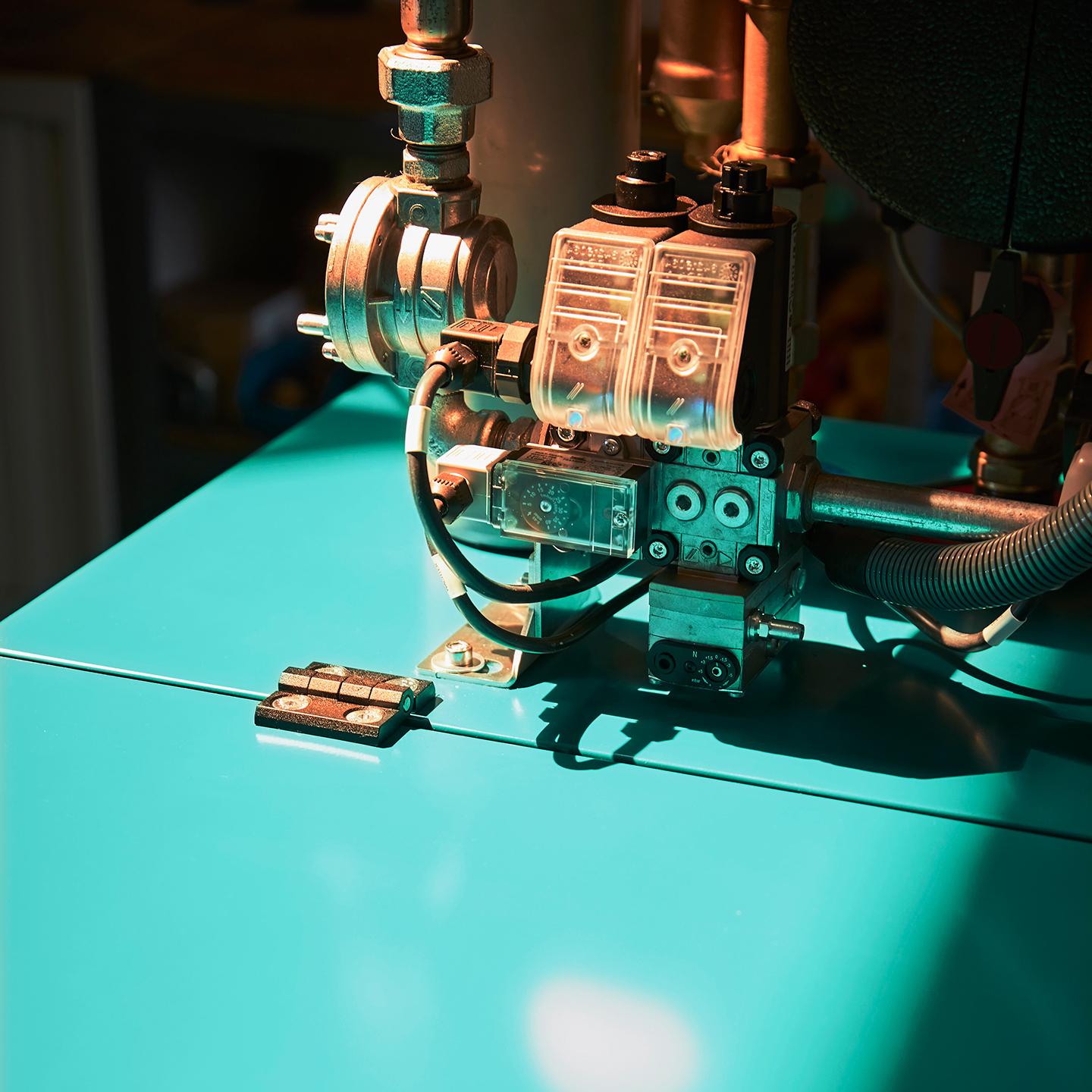
Even though natural gas combined heat and power units may currently compare favourably with conventional technologies with an excellent carbon balance and low pollutant emissions, the future of CHP systems lies in the use of renewable gases. Supply reliability, coverage of the required residual load, energy provided locally and reduced workload on networks are essential attributes designed to serve the system but which must not depend on fossil fuels in the future to ensure decarbonisation in the transition towards climate neutrality. Renewable gases such as biogas, biomethane or hydrogen are suitable for this purpose and are already used in Mephisto CHP units to supply electricity and heat today.


Biomethane
All our modules can be operated with biomethane. Biomethane refers to biogas which is fed into the general gas network after suitable treatment. In this way, Mephisto combined heat and power units can also be operated with a carbon-neutral fuel when there is no adjacent direct connection to a biogas plant, as is the case in urban areas.
Biogas
Biogas can also be used with our units. Until now, our biogas CHP units have mainly been used in Switzerland thanks to the favourable framework conditions there; however, projects have also been increasing in Germany for several years, especially in the digestion gas sector. We will gladly check your particular biogas project to see if it is viable and cost-efficient.
Hydrogen
Hydrogen is a great hope as a future energy storage medium and can be produced using renewable energies, making it largely climate-neutral. Our combined heat and power units are already designed to operate using a hydrogen admixture of up to 20 percent today, meaning they are H2-ready now. We have also mastered pure hydrogen operation: our Mephisto G50 can already be powered by 100 per percent hydrogen.
Sector coupling
As part of energy transition, combined heat and power units are increasingly being used for residual load generation and are a crucial component for successful sector coupling.
Learn moreCHP unit and heat pump
he combination between heat pumps and combined heat and power units brings technical, environmental and financial benefits in many cases.
Learn more